
I didn’t notice the internet changing all at once. It crept up on me in fragments.
A strangely emotional meme sent by a friend at midnight.
A video rant that went on for three full minutes and somehow felt too short.
A comment section where strangers were kinder than people I know offline.
That’s when it clicked: this year’s viral trends aren’t about what’s new. They’re about what people need right now.
Not trends as in “cool stuff to copy.”
Trends as in coping mechanisms, identity experiments, social signals, quiet protests.
I’ve worked in content long enough to spot patterns early—usually before brands sanitize them. And what’s rising this year isn’t polished, aspirational, or clean. It’s raw. Opinionated. Sometimes messy. Sometimes contradictory.
Below are the ten internet trends that will dominate feeds, conversations, and cultural mood this year, not just because algorithms push them—but because people do.
1. Burnout Confessions Masquerading as Humor
At first glance, it looks like comedy.
A creator stares at the camera, deadpan.
Text on screen: “When you’re doing everything right but still falling behind.”
Cue laugh track or sarcastic audio.
People laugh. They share. They comment “this hurt lol.”
But beneath the humor is something else entirely: open burnout, disguised just enough to be socially acceptable.
This year, viral content leans heavily into emotional exhaustion. Work fatigue. Decision fatigue. Life fatigue. And instead of hiding it behind productivity tips, creators are owning it—loudly.
Why this trend is everywhere:
- Economic pressure hasn’t eased
- Hustle culture credibility is collapsing
- Relatability now beats aspiration in engagement metrics
What makes it viral isn’t sadness. It’s recognition. Viewers don’t want motivation. They want validation.
And yes—this trend converts insanely well because exhausted people scroll longer.
2. Artificial Intelligence as a Co-Character, Not a Tool
Search interest for AI tools keeps climbing, but that’s not the viral part.
The viral part is how people are personifying AI.
They argue with it.
They joke about being judged by it.
They share screenshots like it’s a therapist who talks back too honestly.
This isn’t about efficiency anymore. It’s about reflection.
People are using AI-generated responses to:
- Test ideas
- Rehearse conversations
- Explore identity safely
- Feel “heard” without social risk
And here’s the uncomfortable truth: many find that easier than talking to humans.
Creators who integrate AI as a narrative element—whether joking, debating, or collaborating—are seeing massive engagement because the audience is already doing the same privately.
It’s not futuristic. It’s emotional convenience.
3. Hyper-Specific Micro-Aesthetics (The Death of One-Size-Fits-All)
Remember when everyone chased the same aesthetic?
Minimal desk. Neutral tones. Clean fonts. Same playlists. Same coffee shots.
That era is done.
This year belongs to micro-aesthetics so specific they feel like inside jokes:
- “Overstimulated but romanticizing it”
- “Corporate life but spiritually on vacation”
- “Late-night thinker with commitment issues”
These trends spread because they let people belong without conforming.
You don’t need a new wardrobe or lifestyle. Just a mood. A vibe. A caption that says, “If you know, you know.”
From an SEO and content perspective, this matters because niche language now outperforms broad appeal. Specificity is shareable. Vagueness isn’t.
4. Long Captions, Rants, and Thought Dumps Are Back
Contrary to popular belief, attention spans didn’t disappear.
They just got picky.
This year, posts with long captions, unfiltered rants, and emotionally honest breakdowns are outperforming shallow one-liners—when they say something real.
People are tired of:
- Safe opinions
- Sanitized storytelling
- Corporate-friendly vulnerability
What they want instead is clarity. Or at least conviction.
These posts don’t go viral because they’re perfect. They go viral because they feel like someone finally said the thing everyone else avoids.
From a search intent angle, this trend aligns with rising queries around:
- “Why does everything feel exhausting”
- “Is anyone else feeling stuck”
- “I hate my job but don’t know what to do”
Long-form honesty is meeting long-tail search behavior.
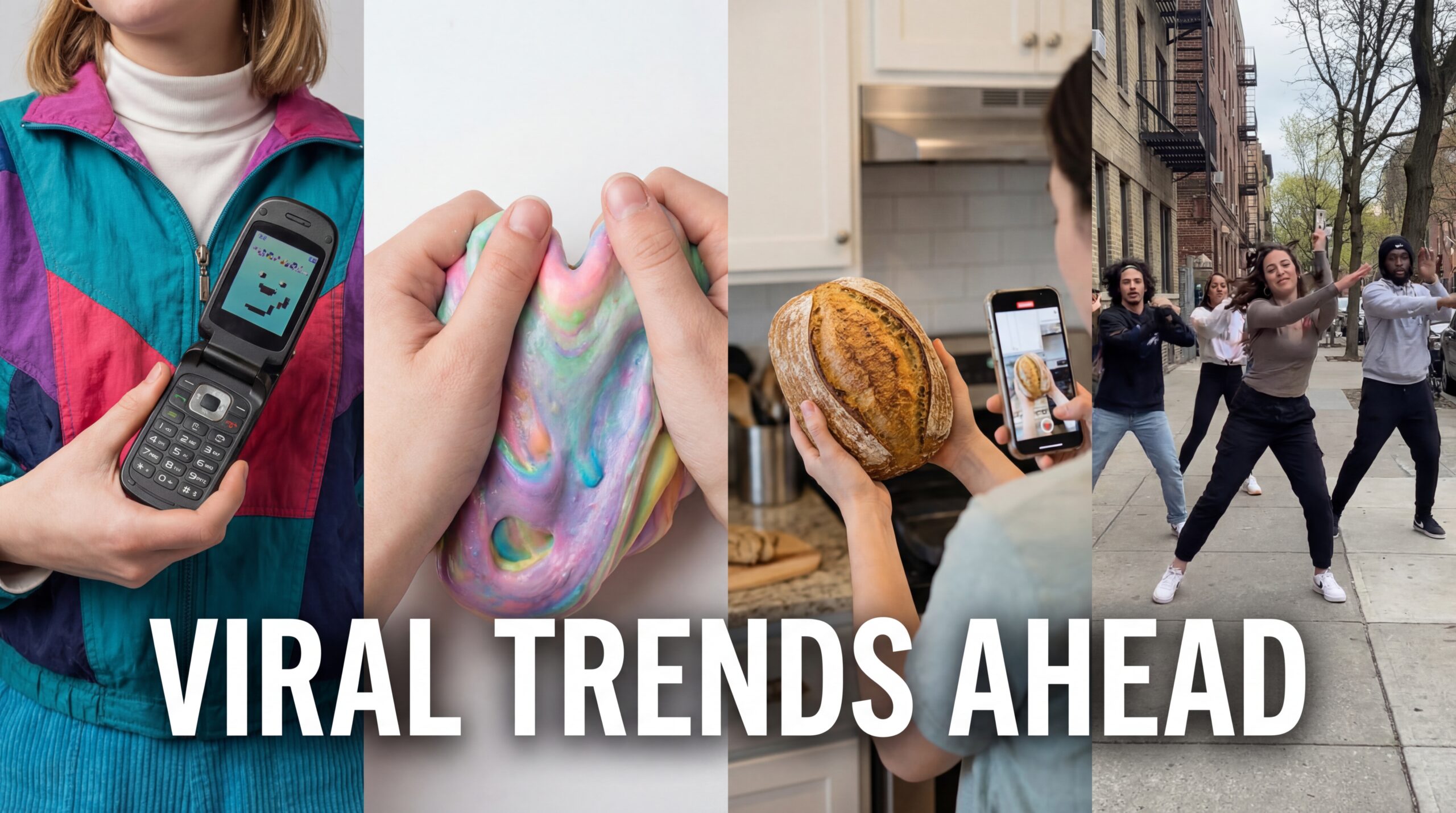
5. Nostalgia as Emotional Refuge, Not Entertainment
Nostalgia trends aren’t new—but their tone has shifted.
This year’s nostalgia isn’t playful. It’s protective.
Old games. Childhood TV sounds. Early internet aesthetics. Retro interfaces. Grainy filters. Things that feel safe.
People aren’t reminiscing because it’s fun. They’re retreating because the present feels unstable.
This content performs because it:
- Reduces cognitive load
- Evokes emotional security
- Triggers memory-based engagement
The darker truth? Many users don’t want progress right now. They want familiarity.
Brands tapping into nostalgia without understanding this emotional undercurrent tend to miss the mark. The content that works treats nostalgia like a soft blanket, not a marketing gimmick.
6. Anti-Influencer Content That Still Influences
One of the most ironic viral internet trends this year is the rejection of influencer culture—by influencers.
Creators openly mock:
- Over-curated lives
- Sponsored authenticity
- “Day in my life” perfection
Yet they still shape opinions, trends, and buying behavior.
The difference is tone. Messy. Self-aware. Slightly chaotic.
Audiences trust people who admit the performance while performing anyway.
From a credibility standpoint, this aligns with EEAT principles:
- Experience over polish
- Transparency over perfection
- Opinion over neutrality
It’s not anti-marketing. It’s post-marketing.
7. Emotional Intelligence as the New Status Symbol
Luxury used to be the flex.
Now it’s self-awareness.
This year’s viral posts increasingly showcase:
- Boundary-setting
- Emotional regulation
- Communication skills
- Therapy language (sometimes overused, sometimes life-saving)
People are openly talking about:
- Nervous system regulation
- Attachment styles
- Unlearning patterns
Is it all accurate? No.
Is it meaningful? Often, yes.
This trend spreads because emotional intelligence is becoming social currency—especially among younger audiences who value internal growth over external success.
And yes, it’s also performative at times. But even performance shapes norms.
8. Hyper-Relatable Comedy That Hurts a Little
Comedy has shifted.
Big punchlines are out.
Subtle pain is in.
Viral humor now revolves around:
- Social awkwardness
- Financial stress
- Dating fatigue
- Family pressure
- Quiet existential dread
The jokes land because they don’t exaggerate much. They barely need to.
This content travels fast because it says what people think but don’t articulate. Humor becomes a delivery system for shared discomfort.
And from a behavioral standpoint, content that makes someone feel “seen” is far more likely to be shared than content that simply entertains.
9. Quiet Withdrawal From Public Posting (Without Leaving)
People keep announcing they’re “logging off.”
They’re not.
What they’re doing instead is changing how visible they are:
- Fewer grid posts
- More stories
- More private accounts
- Smaller audiences
- Less algorithm-chasing
This trend reflects a growing resistance to constant self-performance.
Users want control again—not disappearance.
For creators and marketers, this means engagement is shifting toward:
- Intimacy over reach
- Trust over volume
- Depth over frequency
The loud internet still exists. But the meaningful one is getting quieter.
10. Intentional Imperfection (Chaos as Authenticity)
Here’s the unifying thread across all trends this year:
Perfection feels suspicious.
Over-edited videos, flawless aesthetics, symmetrical layouts—they don’t resonate the way they used to.
What’s winning instead:
- Jump cuts
- Rambling delivery
- Visual clutter
- Emotional unpredictability
This isn’t laziness. It’s alignment.
Life feels chaotic. Content that reflects that feels honest.
Creators who allow imperfection signal humanity. And humanity builds trust faster than polish ever did.
The Bigger Picture No One Wants to Say Out Loud
These trends aren’t random.
They’re responses.
To pressure.
To uncertainty.
To overstimulation.
To a culture that asked people to optimize themselves into numbness.
The internet this year isn’t chasing excellence. It’s chasing relief.
If you’re creating content, writing articles, building an audience, or shaping digital strategy, here’s the uncomfortable takeaway:
People don’t want to be impressed.
They want to feel understood.
They don’t want perfect advice.
They want honest perspective.
They don’t want trends.
They want permission—to feel, to rest, to question, to exist imperfectly.
And that’s why these trends will be everywhere. Not because they’re clever—but because they’re necessary.
The internet didn’t suddenly get softer.
People did.
And the content followed.